
As we age, it becomes increasingly important to take proactive steps to maintain our brains!
One of the most effective ways to achieve this is by engaging in simple brain exercises and activities that stimulate our minds and support memory retention.
Today, I want to share 11 simple brain exercises and how they contribute to keeping your mind sharp and supporting your memory.
Ready to feel stronger, healthier, and happier after 60? The No-BS Guide to Feeling Great After 60 gives you simple, practical ways to take better care of yourself and actually enjoy this next chapter. ⭐⭐⭐⭐⭐ REVIEWS EVERY TIME!!
Click here to get your copy and start feeling great! →YES, SEND ME THE GUIDE NOW!
The Importance of Doing Brain exercises
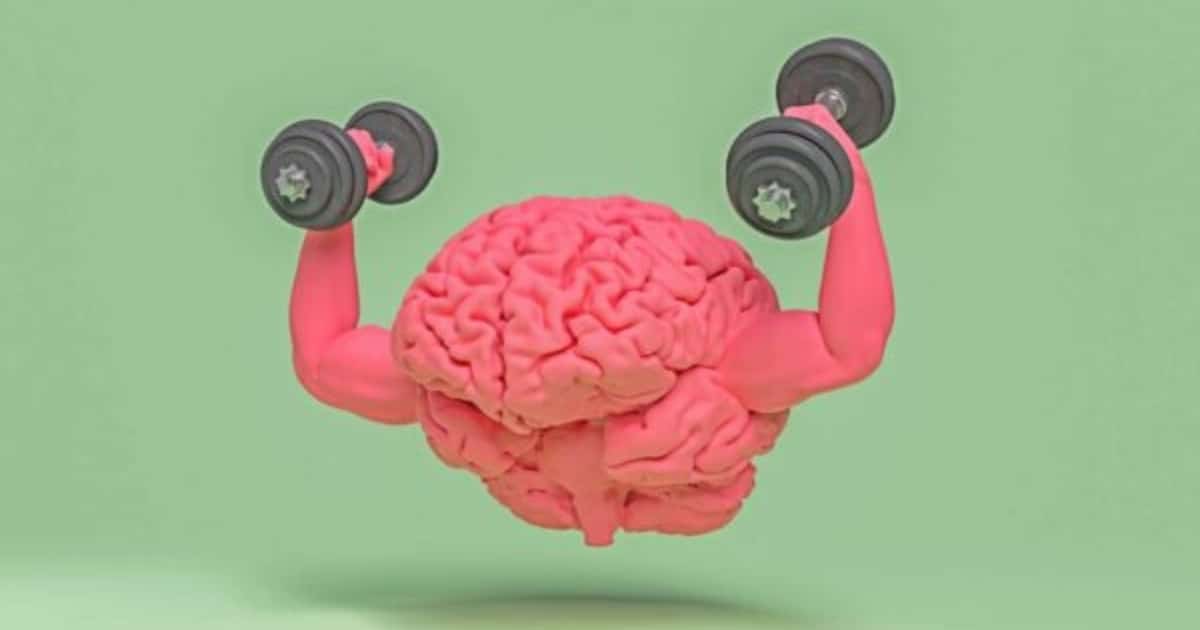
Like our bodies, our brains need exercise, too, or they will just get lazy and sleepy and not function properly. Every part of our body ages, including our brains. In order to keep our brains in good health, it’s important to work them.
Just like you do your body.
These brain exercises are excellent for getting that organ moving, working hard and keeping dementia away!
Sudoku & Crossword Puzzles
You can find Sudoku and crossword puzzle books just about anywhere, and there are tons of free puzzles online too. They’re not just a good way to pass the time—they actually make you think.
Sudoku gets your brain working by making you use logic, pay attention to details, and look for patterns. The more often you play, the more you’re exercising those problem-solving and memory skills. You have to remember which numbers you’ve already used and figure out where the next ones belong.
Crossword puzzles work your brain in a different way. They’re great for keeping your vocabulary and memory sharp because you’re constantly trying to remember words, names, facts, and little bits of information you haven’t thought about in years.
And there’s something pretty satisfying about finally coming up with that one word that’s been driving you crazy!
Memory Games
Memory games, like Concentration or one of the many memory apps on your phone, are a simple way to give your brain a little workout. They make you pay attention and remember where things are, which can help strengthen your short-term memory and concentration.
And you don’t have to spend hours doing them. Even a few minutes here and there can be a fun way to challenge your brain and keep those memory skills working.
A simple one is this: have someone put objects on a tray, cover them with a towel, and then give you 10 seconds or 20 seconds to look at these subjects before covering them up again. Now, you need to list how many objects you can remember.
This is a great one to challenge the kids or grandkids with!
Learn a New Language
Learning a new language is like putting together a puzzle.
At first, you have a bunch of random pieces that don’t seem to make much sense. But the more you practice, the more those pieces start connecting. Eventually, words, phrases, and grammar begin to come together naturally, and one day, it all starts sounding natural!.
This is another great brain exercise as it requires you to absorb new vocabulary and grammatical rules while recalling and applying them in conversation. This process enhances cognitive flexibility, memory, and problem-solving skills.
Reading
Regular reading habits are a powerful way to keep your mind sharp, and you are never too old to pick up a good book and start reading.
Whether it’s books, magazines, or newspapers, reading exposes your brain to new information, scenarios, and perspectives. It enriches your vocabulary and cognitive abilities, enhancing memory and comprehension.
Next time it’s miserable outside, grab a book, curl up on the sofa under a warm blanket, and let your imagination whisk you away on a thrilling adventure. You won’t even know you’ve been ’brain exercising’!
Mental Maths
You may not be a math person but this is a great brain exercise so you don’t forget what little you do know!
Mental maths involves the completion of mathematical problems in your head without writing notes or calculations on a piece of paper.
Engaging in mental math exercises challenges your brain’s arithmetic abilities.
These brain exercises improve concentration and memory related to numbers, making everyday calculations smoother.
Chess
Did you see The Queen’s Gambit on Netflix? It’s not only a gripping series but also a testament to how chess, a game of strategy and wits, can be excellent brain exercises that are good for your cognitive health.
But chess is not just a game; it’s a mental workout.
Playing chess requires strategic thinking, planning, and recalling past moves to make informed decisions.
This stimulates your brain’s problem-solving abilities and memory for chess strategies.
Jigsaw Puzzles
Jigsaw puzzles provide an enjoyable way to exercise your brain’s spatial awareness and attention to detail. They’re also a good activity if you want some alone time.
As you piece together a puzzle, your brain works to recognize shapes, patterns, and how pieces fit together, all of which are essential for memory, reasoning, and cognitive sharpness.
In addition, it causes you to immerse yourself in the moment and focus entirely on your task at hand.
Attend Lectures or Workshops
Take a class, attend a workshop, listen to a lecture, or even learn something online. The point is to keep challenging yourself with information you didn’t already know.
When you’re learning, your brain has to take in, remember, and make sense of new information.
And there are some pretty great bonus benefits too. you might meet new people, discover a hobby you really enjoy, or simply see things from a different perspective. You never know what new interest might come from learning something you’ve never tried before.
Mindfulness Meditation
Mindfulness meditation is all about reducing stress and promoting mental clarity. Meditation, as a practice, allows your brain time to process your thoughts.
Meditation is another great way to give your brain a workout, although it works in a completely different way than physical exercise. Instead of getting your body moving, you’re slowing things down and giving your mind a chance to settle.
Regular meditation can help improve focus and concentration, and research suggests it may also help protect memory as we get older. Even just a few quiet minutes a day can give your mind a break and help you feel more focused and present.
Physical Exercise: The Brain-Body Connection
Not only is exercising good for your heart and health, but studies have proven that physical activities improve blood flow to the brain.
So, how does this help your memory?
This blood flow to the brain is sent to the two areas that control memory, namely the hippocampus and the anterior cingulate cortex. Yes, I know, those are big words, but after a good workout, brisk walk or some pickle ball, you won’t have a problem remembering what they are anymore!
The results of these studies are so positive that scientists are looking at how to use this increased blood flow to the brain to improve memory, even assisting people affected by Alzheimer’s.
Typical and easy-to-begin-with examples include aerobics, brisk walking, dancing, or swimming.
The added benefit of picking up a new sport or exercise regime is that you are likely to meet other people who have similar interests to you.
Art and Creativity
Engaging in creative activities like painting or crafting stimulates the right hemisphere of the brain, which is responsible for creativity and imagination.
And even better than that, don’t do it alone. Join a club, look for a mentor, or even start your own get-together.
By staying social, chatting with friends, and meeting new people, you will be inspired to continue in your new craft and not give up.
Grab my free Mandala Art Colouring Book here and give your brain something fun to do!
Final Thoughts on Brain exercises
Adding a few of these brain exercises to your daily routine can do a lot to keep your mind active and your memory sharp as you get older. And the best part? They can actually be fun.
Like anything else, consistency matters. You don’t have to spend hours exercising your brain every day. Just do something, even for a few minutes, and make it part of your routine.
Mix things up, try new activities, learn something different, and challenge yourself. Keeping your brain engaged can help you stay mentally sharp and make those later years more interesting and fulfilling.
And hey, if you ever do end up in a retirement village or care home, at least you’ll be the person who remembers who took the last piece of pie, and knows exactly how to kick everyone’s butt in a game of chess!