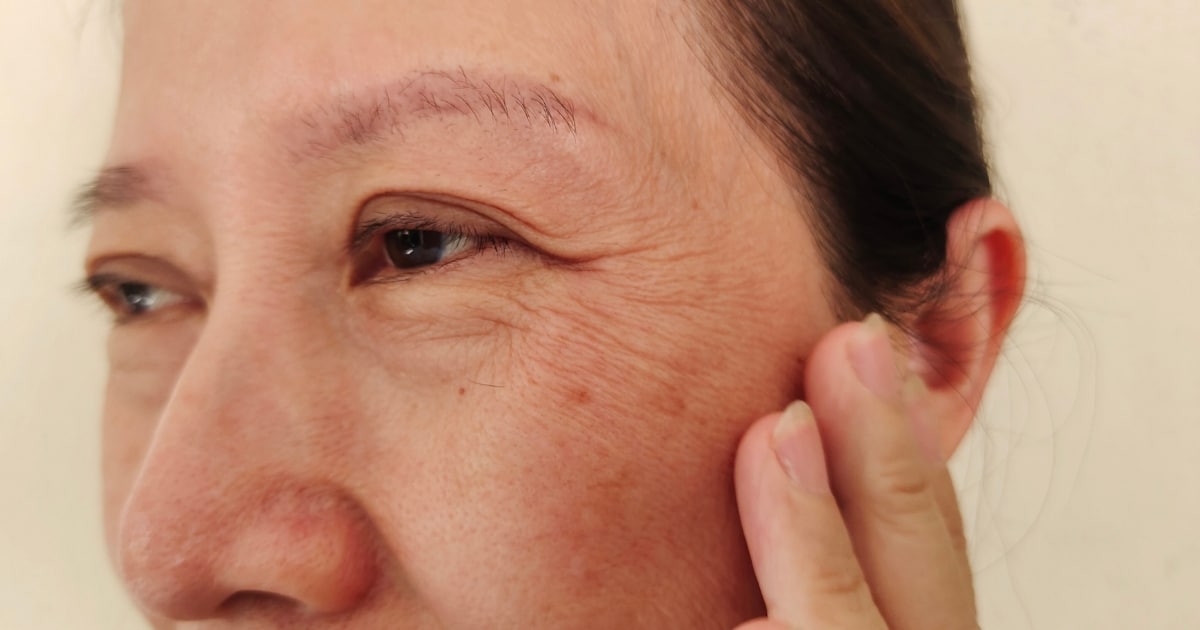
While aging is inevitable, the speed at which we age isn’t entirely out of our control. Some of the things we do every single day can actually speed up aging and make us look and feel older than we really are.
These habits affect your skin directly, while others affect your sleep, nutrition, stress levels, fitness, and overall health. Altogether, they can add up over the years and make you look and feel older faster than you otherwise might.
Many of these habits are completely within our control. A few simple changes can help slow things down, improve the way you look and feel, and help you stay healthy as you get older.
Today, we’re going to look at 13 common habits that can speed up aging, how to dump them and what you can do instead.
Ready to feel stronger, healthier, and happier after 60? The No-BS Guide to Feeling Great After 60 gives you simple, practical ways to take better care of yourself and actually enjoy this next chapter. ⭐⭐⭐⭐⭐ REVIEWS EVERY TIME!!
Click here to get your copy and start feeling great! →YES, SEND ME THE GUIDE NOW!
13 bad habits that speed up aging
These 13 habits can speed up aging in ways you may not even realize. They can wreak havoc on your skin, your physical health and your mental health, the latter two of which are very important for healthy aging.
You can’t stop the clock, but you can certainly work with it to ensure you age strong and as healthy as you possibly can be.
And let’s be honest, we all age, but that doesn’t mean you have to look and feel 85 when you’re only 55.
Lack of Sleep
Are you one of those people who stays up way too late scrolling on your phone? Or maybe you tell yourself you’ll go to bed early, but somehow midnight rolls around and you’re still awake.
Not getting enough sleep can leave you with dark circles, puffy eyes, and that overall tired look that can make you appear older than you are.
Aim for around 7–9 hours of sleep each night and work backward from the time you need to get up to figure out when you should actually be going to bed.
Getting enough sleep is one of those simple habits that can make a surprisingly big difference in how you look and feel. A few nights of getting only 3 or 4 hours of sleep can really catch up with you.
Smoking
We all know smoking is bad for your health, but it can also speed up aging and take a serious toll on your skin.
The chemicals in cigarettes damage collagen and elastin, which are important for keeping your skin firm and elastic. Over time, this can contribute to wrinkles, fine lines, and sagging skin.
Smoking also affects circulation, which means your skin isn’t getting the oxygen and nutrients it needs to look its best.
If you’re thinking about quitting, there are plenty of options that can help, including nicotine gum, patches, and other smoking-cessation aids. Talk to your doctor or pharmacist about what might work best for you. If you’re in Canada, Health Canada offers a free quit smoking kit. Check it out here.
I recently, and finally, quit again. You can learn about my journey here.
Skipping Daily Sunscreen
If there’s one bad habit that will speed up aging and wreak havoc on your skin it’s skipping the use of dailly sunscreen.
Sun exposure is one of the biggest contributors to premature skin aging. Years of sun exposure can lead to dark spots, fine lines, wrinkles, and uneven skin tone.
After your regular morning skincare routine, apply a broad-spectrum SPF. And yes, even if you’re not planning to spend the entire day outside.
Make sure you use adequate sun protection, reapply your sunscreen as needed, and throw on a hat and sunglasses. Your future self will thank you.
Excessive Alcohol
A drink now and then isn’t necessarily a problem, but excessive alcohol can leave your body and your skin very dehydrated.
Too much alcohol can contribute to dry-looking skin, inflammation, and that tired, puffy look nobody really wants. Over time, drinking heavily can also affect your overall health, which is another way this habit can speed up aging.
If you’re drinking more than you’d like, try changing up your routine. Pick up a new hobby, plan activities that don’t revolve around drinking, or find other ways to socialize.
And if you find yourself regularly craving alcohol or having trouble cutting back, don’t ignore it. Talking to a healthcare professional can be a good place to start.
Not Drinking Enough Water
Hydrate, hydrate, hydrate!!! Your body and brain needs water to function properly, and your skin needs it too.
When you’re not drinking enough fluids, your skin can look dry, dull, and less plump. Dehydration can also leave you feeling tired and sluggish.
Staying hydrated is one of those boring-but-important things that really does matter. You don’t need to obsess over a specific number of glasses every day, but make a habit of drinking water regularly and pay attention to what your body is telling you.
If you have a hard time drinking water, try squeezing a lemon/lime in your glass or toss in some cucumber slices and mint leaves!
Diet
You are what you eat. You’ve heard it a thousand times and it holds a lot of truth. What you eat can have a big impact on how you feel and how you age.
A diet that’s heavy on added sugar, highly processed foods, and unhealthy fats can contribute to inflammation and make it harder to get the nutrients your body needs.
Over time, consistently eating a poor-quality diet can contribute to health problems that affect how you look, feel, and function. It’s one more way everyday habits can gradually speed up aging.
On the other hand, eating a variety of fruits, vegetables, lean proteins, healthy fats, and other nutrient-rich foods gives your body more of what it needs to stay healthy. Eating a balanced diet can also support your overall health as you get older.
You don’t have to eat perfectly. Just try to make better choices most of the time. Your body will notice the difference.
Lack of Exercise
You don’t have to become a gym rat to stay active as you get older.
Regular movement helps your circulation, muscles, bones, heart, and overall health. Sitting around all day, on the other hand, can leave you feeling stiff, sluggish, and weaker over time.
Even something as simple as walking, gardening, dancing, swimming, or doing a few strength exercises can make a difference.
The American Heart Association recommends at least 150 minutes of moderate-intensity activity each week for most adults. Find some simple ways to add more physical activity to your daily routine here.
The important thing isn’t doing something fancy. It’s moving your body consistently.
Overuse of Electronic Devices
Most of us spend a lot more time looking at screens than we probably realize.
While the effects of blue light on skin aging are still being studied, staring at screens for hours can definitely affect your sleep and your eyes. And constantly looking down at your phone or tablet can contribute to neck, shoulder, and back pain.
Try taking regular breaks from your devices, especially in the evening. Put the phone down once in a while and give your eyes, neck, and brain a break.
Sometimes the best thing you can do is simply step away from the screen.
Not Getting Enough Nutrients
As we get older, eating enough nutritious food becomes even more important.
Not getting enough vitamins, minerals, protein, and other nutrients can affect your energy, muscles, bones, skin, and overall health.
Instead of relying heavily on processed foods or constantly grabbing whatever is convenient, try to include plenty of nutrient-dense foods in your meals.
And while supplements can be useful for some people, they shouldn’t replace a healthy diet. If you think you may have a nutrient deficiency, talk to your healthcare provider before starting a bunch of supplements.
Using Heavy Makeup
There’s absolutely nothing wrong with wearing makeup. In fact, makeup can be fun, and there’s no reason to give it up just because you’re getting older.
But piling on heavy layers of foundation and powder can sometimes settle into fine lines and make them more noticeable.
As we age, our skin tends to become drier and more delicate, so lighter, hydrating, non-comedogenic products may look and feel better.
And don’t forget to take your makeup off before bed. Your skin deserves a break too.
Neglecting Your Neck and Hands
Here’s something many of us are guilty of: taking great care of our face while completely ignoring our neck, chest, and hands.
Unfortunately, those areas can show signs of aging too.
When you’re applying moisturizer or sunscreen to your face, take a few extra seconds and bring it down to your neck and chest. And don’t forget the backs of your hands.
People often notice someone’s hands and neck, so give them the same attention you give your face. There are plenty of good moisturizers and nourishing creams that can help keep these areas soft and hydrated.
Over-exfoliating
If a little exfoliation is good, more must be better, right?
Nope.
Over-exfoliating can irritate your skin, damage the skin barrier, and leave your face feeling dry, sensitive, or uncomfortable. And when your skin is irritated, fine lines can actually look more noticeable.
You don’t need to scrub your face every day. For many people, gentle exfoliation once or twice a week is plenty, depending on their skin type and the product they’re using.
Your facial skin is delicate. Be gentle with it.
Stress
This one is a big one.
Chronic stress can affect your entire body, and it can show up on your face too. When you’re constantly stressed, you’re more likely to sleep poorly, eat poorly, skip exercise, and generally neglect yourself.
Finding ways to manage stress can make a real difference in how you feel.
Go for a walk. Take a few deep breaths. Listen to music. Stretch. Meditate. Write in a journal. Get a massage. Sit outside with your coffee and do absolutely nothing for ten minutes.
You don’t have to eliminate all the stress in your life, which is probably impossible. But finding ways to reduce some stress can do wonders for both your mind and your body.
Final thoughts on bad habits that speed up aging
Getting older is something none of us can avoid but the choices we make every day can influence how we look, how we feel, and how well our bodies hold up over time.
You don’t have to change everything overnight. Start with one or two habits. Drink more water. Get to bed a little earlier. Put on sunscreen. Go for a walk. Eat a few more vegetables. Take a break from your phone.
Those little changes add up.
And remember, the goal isn’t to stop aging. That’s impossible. The goal is to avoid the things that can unnecessarily speed up aging and make you feel older than you really are.
You’re going to get older anyway. You might as well do it feeling strong, healthy, confident, and damn good about yourself.