

If you’re over 50 and feeling weaker, tireder, hungrier, or like your body suddenly isn’t responding the way it used to, protein might be the missing piece. This is not about dieting, bulking up, or eating like a bodybuilder. It’s about supporting your body as it ages and giving it what it actually needs.
Protein for women over 50 plays a major role in maintaining muscle, supporting metabolism, protecting bones, stabilizing blood sugar, and keeping energy levels steady. As we age, our bodies become less efficient at using protein. That means we need more of it than we did in our younger years, not less.
The problem is that many women over 50 are unknowingly under-eating protein, especially at breakfast and lunch. Over time, that adds up to muscle loss, slower metabolism, weakness, and fatigue.
Let’s break it down in a way that actually makes sense.
How Much Protein Do Women Over 50 Really Need?
Here’s a simple, realistic guideline.
Women over 50 should aim for about 0.45 to 0.55 grams of protein per pound of body weight per day.
Women over 60 should aim for about 0.55 to 0.65 grams of protein per pound of body weight per day.
Real-life examples help:
A 140-pound woman over 50 needs roughly 63 to 77 grams of protein per day.
A 160-pound woman over 60 may need closer to 88 to 104 grams of protein per day.
If you strength train, walk a lot, are healing from illness, or want to protect muscle as you age, you will likely feel better closer to the higher end of the range.
This is why protein for women over 50 is so important. It is not just about muscles. It affects balance, independence, blood sugar, cravings, and how strong you feel in your body day to day.
Why Protein Matters So Much After 50
Protein supports muscle repair and maintenance, which helps prevent age-related muscle loss. It also helps preserve bone density, supports immune function, and keeps you feeling fuller longer.
Adequate protein intake helps prevent energy crashes and reduces the urge to snack on sugar or refined carbs. It also supports healthy aging and helps women maintain strength and mobility well into their later years.
In short, protein helps you age with power instead of growing old and weak.
Now let’s talk food.
10 Top High Protein Foods for Women Over 50
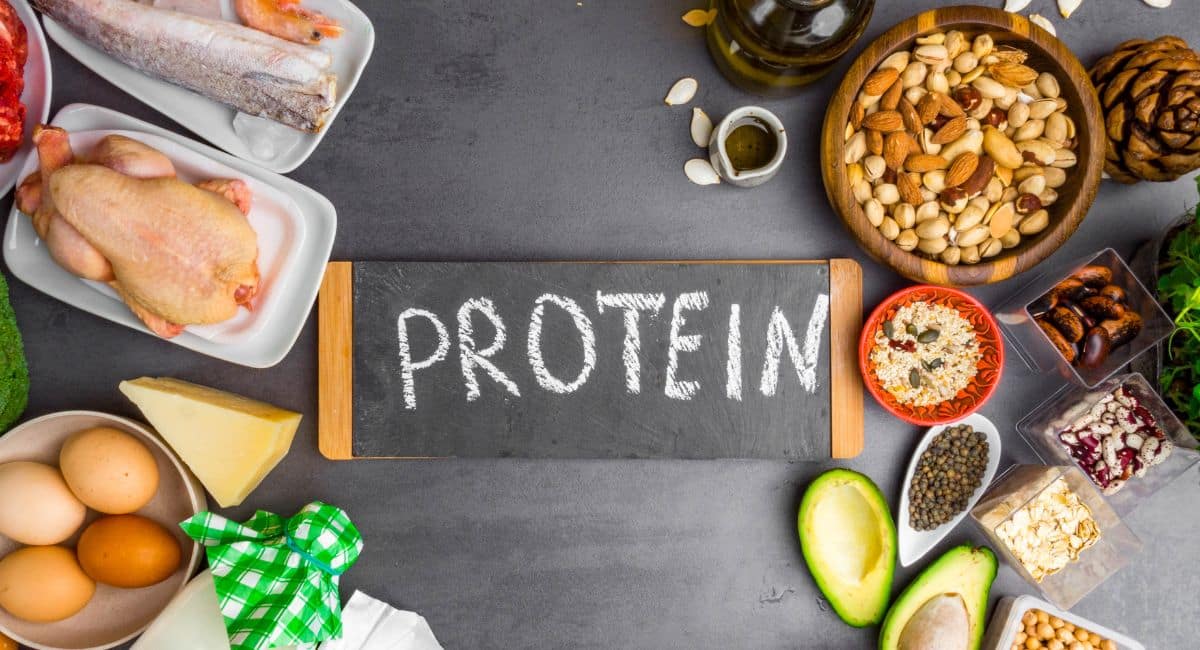
These high-protein foods are practical, easy to find, and realistic for everyday eating. Each one includes protein grams and a clear serving size. With all these simple sources of protein for women over 50, it shouldn’t be too hard to get your daily intake in!
Eggs
Protein: 6 grams
Serving size: 1 large egg
Eggs are one of the most complete protein sources available. They contain all essential amino acids and are easy to digest. Two eggs at breakfast give you 12 grams of protein with minimal effort.
There are tons of ways to enjoy eggs daily: boiled, poached, scrambled, in a salad, in a wrap, the sky is the limit.
Greek Yogurt
Protein: 17 to 20 grams
Serving size: 3 quarters of a cup plain Greek yogurt
Greek yogurt packs a serious protein punch while also providing calcium and probiotics. Choose plain, unsweetened versions and add berries or nuts for flavour.
Chicken Breast
Protein: 26 grams
Serving size: 3 ounces cooked
Chicken breast is lean, affordable, and versatile. It is one of the easiest ways to increase protein for women over 50, especially at lunch or dinner.
Slice it thin and toss it into a salad or wrap.
Salmon/Tuna
Protein: 22 grams
Serving size: 3 ounces cooked
Salmon/tuna provides high-quality protein along with omega-3 fats that support heart, brain, and joint health. Canned salmon/tuna works just as well as fresh.
Cottage Cheese
Protein: 14 grams
Serving size: 1 half cup
Cottage cheese digests slowly, helping you stay full longer. Many women enjoy it as an afternoon or evening snack topped with berries.
Lentils
Protein: 18 grams
Serving size: 1 cup cooked
Lentils are a great plant-based protein source that also provides fibre and iron. They support gut health and blood sugar balance.
Add them to soups or stews where they blend in and boost protein quietly.
Tofu
Protein: 20 grams
Serving size: 7 ounces of firm tofu
Tofu is a complete protein and a good option for women who want more plant-based meals. It absorbs flavour well and works in stir-fries, soups, and bowls.
Pan-fry it until crispy and toss it in a sauce. Texture makes all the difference.
Lean Ground Turkey
Protein: 22 grams
Serving size: 3 ounces cooked
Ground turkey is easy to cook and fits into many meals like tacos, meatballs, and soups. It is a reliable staple for boosting daily protein intake.
Use ground turkey for lettuce wraps or taco bowls so it doesn’t feel like “diet food.” You can also make healthy turkey meatballs or meatloaf.
Beans
Protein: 15 grams
Serving size: 1 cup cooked black beans or chickpeas
Beans may not be as protein-dense as animal foods, but they contribute meaningfully when paired with other high-protein foods. They are filling and budget-friendly.
Protein Powder
Protein: 20 to 25 grams
Serving size: 1 scoop, depending on brand
Protein powder is a helpful supplement for women who struggle to meet daily protein needs through food alone.
Protein for Women Over 50: How to Reach Your Daily Target
Most women do not need more discipline. They need better distribution.
Instead of saving most of your protein for dinner, aim for 25 to 35 grams of protein per meal. This supports muscle maintenance and steady energy throughout the day.
Simple strategies that work:
- Add eggs or Greek yogurt at breakfast
- Include a protein source with every snack
- Build meals around protein first
- Use protein powder on low appetite days
Consistency matters more than perfection.
A Quick Note on Choosing a Good Protein Powder
Keep it simple. Look for a protein powder with at least 20 grams of protein per serving, minimal added sugar (no sugar would be perfect), and a short ingredient list.
Whey protein is the most effective for muscle support. Plant-based blends work well if dairy does not agree with you. Collagen alone is not a complete protein, but can be used alongside other sources.
Protein powder should support your diet, not replace real food.
You can check out some powders here.
Final Thoughts on High Protein Foods and Healthy Aging
Prioritizing protein for women over 50 is one of the smartest things you can do for your long-term health. It supports strength, balance, metabolism, and confidence in your body as you age.
You do not need extreme diets or complicated plans. You need awareness, reliable high protein foods, and daily habits that support your body and promote healthy aging.