“I have to buy more probiotics for my microbiome.” Buy what for your what?
This was the beginning of a conversation I had with my younger sister recently. I had no clue what she was talking about. It sounded like a science experiment.
“My microbiome, my gut health. You know.” I didn’t know, but it took me down a rabbit hole about my gut health.
That’s when I started making the connection.
So many of the food labels these days have “gut-friendly”, “microbiome support” and “probiotic-rich”. It was becoming more and more apparent that your gut health is pretty darned important. I also discovered that it is directly linked to your overall health, and most importantly, your brain health!
That was something of particular interest for me since Alzheimer’s seems to run in my family.
So, I did more research. Some on YouTube and some on Google. I’ll share links of interest throughout the article and at the end. If you like watching videos, you may want to check out Dr. Berg, Andrew Huberman, and Dr. Pradip Jamnadas, MD, all very informative and great speakers in my opinion.
There’s a lot to unpack here, so grab your favourite beverage!
Here’s what’s been going on
Searches for ‘gut health’ rose by 35% in 2024 alone, ‘microbiome’ by 31%, and ‘probiotics’ by 8%. Clearly, Americans are starting to care more about their health these days.
We’re now actively trying to eat foods that encourage a healthy gut microbiome, which in plain English means our grocery shopping habits have changed because of tiny bacteria we can’t see.
In North America alone, the probiotic supplement market jumped to $10.52 billion in 2023 and is expected to triple by 2032. That’s mind-blowing.
The gut health market is set to exceed $60 billion by the end of 2025. About as much as the plastic surgery industry. Crazy.
Anyway, enough talk about numbers, let’s get to the good stuff.
What exactly is the microbiome, and why is it so critical to our health?
So, what exactly is the microbiome, and why does it matter so much for our health?
The microbiome is a collection of trillions of tiny organisms, like bacteria, viruses, and fungi, that live in our bodies. Now, while these microbes may sound small and meaningless, they actually play a huge role in how our body functions.
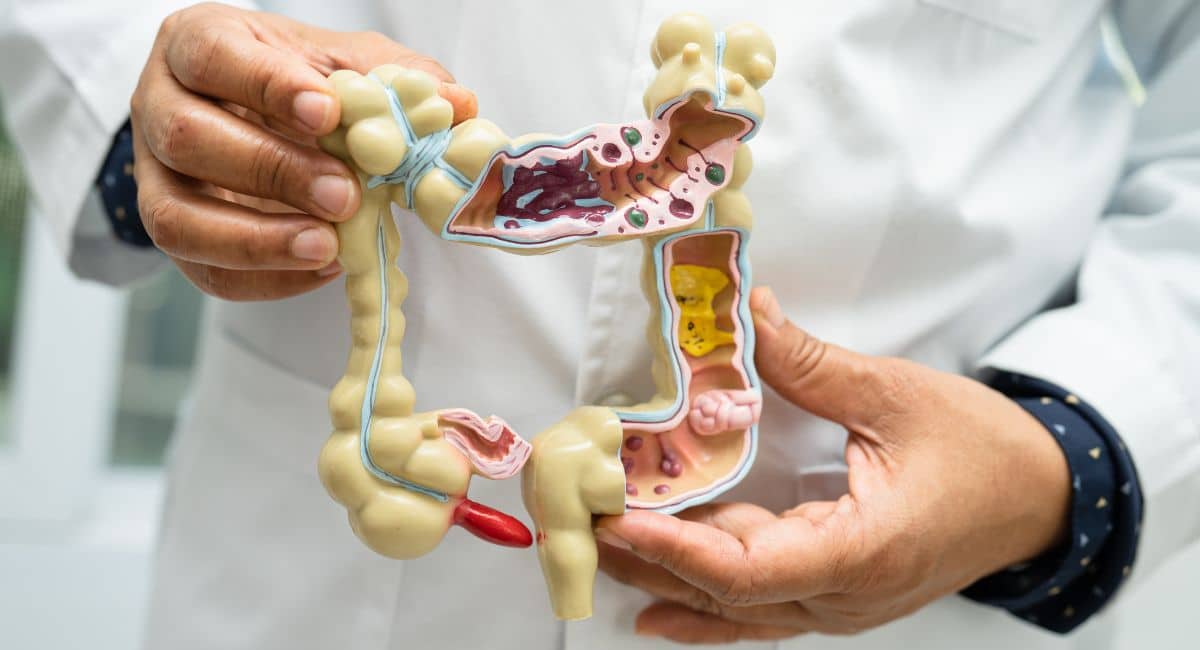
The gut microbiome, in particular, is a major player.
It’s responsible for so much more than just digestion. A healthy gut microbiome helps with everything from boosting our immune system to improving mental health. It is called our “second brain” because it has such a big impact on how we feel both physically and mentally.
What Your Gut Actually Does and Why Good Gut Health Is Crucial
Most people think of their gut as just the place where food gets processed, and that’s what it does, but its job doesn’t end there. Your gut is actually like a second brain, with more nerve cells than your spinal cord and more bacteria than you have human cells in your entire body.
Did you just gasp? So did I when I read that.
Here’s what’s really going on in your belly:
3-5 pounds of what?
You’re carrying around 3-5 pounds of bacteria, viruses, and other microbes in your digestive system. That’s heavier than your brain, and they all play a very active role in just about everything your body does.
That gut feeling
About 90% of your body’s serotonin (the “happy chemical”) is made in your gut, not your brain. When people say they have a “gut feeling,” they’re more right than they know. Your stomach bacteria literally influence whether you feel optimistic or depressed.
Your Immune System Training Camp
Roughly 70% of your immune system lives in your gut. The bacteria there are constantly training your immune cells, teaching them what’s dangerous and what’s safe. It’s like a 24/7 military training camp in your intestines.
Your Personal Pharmacy
Different gut bacteria produce different vitamins (mostly B vitamins and K), hormones, and chemicals that your body needs. While some make vitamins, others help control inflammation, and then there are others that influence your sleep patterns.
The bacteria also convert dietary vitamin A into its active forms, which are important for immune function.
So now we have all this information, the next step is how do we improve our gut health, and what do we need to do? Well, clearly, our diet plays a huge role in this. You may have noticed there’s this weird fermented food craze happening.
Here’s why.
Why Everyone’s Going Crazy for Fermented Foods
Here’s what studies have discovered that fermented foods can do:
- Reduce anxiety and depression better than some medications
- Lower cholesterol as effectively as prescription drugs
- Improve sleep quality by producing sleep-promoting chemicals
- Boost immune function to help fight off infections
- Reduce inflammation linked to heart disease, diabetes, and arthritis
- Help maintain a healthy weight by influencing hunger hormones
That’s pretty impressive. I’m still not sure I want to eat fermented foods besides yogurt, but I’m willing and open to giving them a try.
So, besides fermented foods, what else should we eat, and what other steps do we need to take to improve our gut health?
How to support your microbiome daily and improve your gut health
Here are 5 simple things you can do today to take care of your gut health and support your microbiome. I’ve included a grocery list PDF at the end for you to download, print off and stick on your fridge!
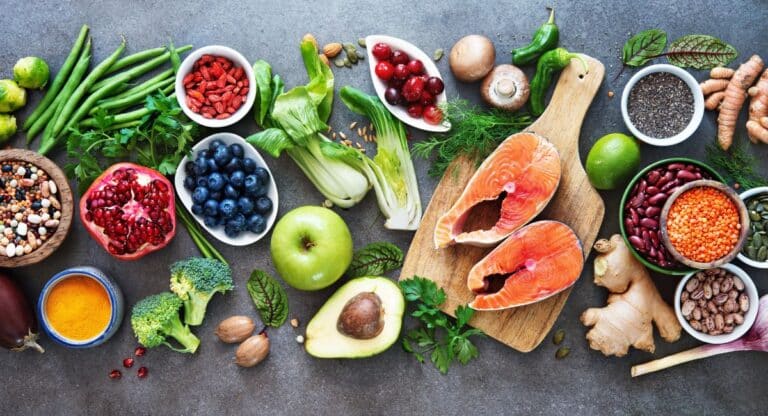
Eat lots of plant-based foods
Your gut bacteria love variety. Experts suggest aiming for 30 different plant foods a week. That sounds like a lot, but it adds up fast when you count fruits, veggies, herbs, grains, nuts, and seeds. A colourful plate not only feeds your body but also keeps your gut happy.
Here’s a good plant food grocery list for you!
Enjoy fermented foods
Fermented foods are like little gut boosters. Yogurt, sauerkraut, kimchi, kefir, and miso all contain live cultures that add friendly bacteria to your system. Add a scoop of sauerkraut to your salad, blend kefir into a smoothie, or enjoy a bowl of miso soup.
Tip for buying yogurt: Not all yogurt is created equal. For gut health, look for labels that say “live and active cultures” since that means the probiotics are actually present. Skip the ones loaded with sugar or artificial flavours because they do more harm than good for your overall health.
Plain Greek yogurt or unsweetened varieties are your best bet, and you can always sweeten them naturally with fruit.
Tip for buying sauerkraut and kimchi: Many store-bought versions are heat-pasteurized, which kills off the live probiotics. For gut health, you want the raw, unpasteurized kind that’s usually found in the refrigerated section. Check the label for just cabbage, salt, and maybe spices, no vinegar, no preservatives.
Tips for buying kefir: Kefir should list live cultures on the label, just like yogurt. Skip the ones that are packed with sugar or artificial flavours. If you’re new to kefir, start with plain and add fruit at home for taste.
Your microbes want snacks, too!
Prebiotics are basically your microbes’ favourite snacks. They’re found in fibre-rich foods like garlic, onions, oats, bananas, broccoli, beans, and berries. When you eat them, your microbes turn those fibres into compounds that fuel your gut lining and calm inflammation.
Even something as simple as oats in your smoothie or a banana with nut butter gets the job done.
The “diversity jar”
This is a new and trending fun little hack.
Fill a jar with a mix of seeds, nuts, grains, herbs, and spices, then keep it on your counter. Every time you make a meal, sprinkle some on top. You’ll instantly add more variety to your diet without even thinking about it.
The more diversity in your food, the more diverse and resilient your gut becomes. (Food & Wine)
Lifestyle matters too
Gut health isn’t just about food. Your daily habits can make or break it. Good sleep helps your gut microbes stay in rhythm and keeps your energy steady. Moving your body regularly, whether it’s walking, dancing, yoga, or lifting weights, encourages a more balanced microbiome.
Stress is another big one. Try to manage or control your stress through meditation, deep breathing, journaling, or even a hobby you love.
Sunlight is another underrated helper. A little natural vitamin D gives your immune system and your gut a nice boost.
Download this grocery list, print it off and stick it to your fridge!
Simple Steps You Can Take Today to Improve Your Gut Health
If you’re really new to all this microbiome, gut health, probiotic/prebiotic lifestyle, start slow. Here are a few simple steps to help you get started.
Step 1: Add one fermented food daily: yogurt, kefir, sauerkraut, or kimchi.
Step 2: Include a fibre source with every meal: fruit, veggie, or whole grain.
Step 3: Drink water consistently throughout the day.
Step 4: Move your body at least 20–30 minutes a day: walking, stretching, or light exercise.
Step 5: Aim for 7–8 hours of sleep and take a few minutes daily to relax (soak in some sunshine!) or breathe deeply.
That’s it. Just five easy habits to start improving your gut health today.
Gut Health and Longevity
Here’s the part that makes this microbiome craze different from previous health fads: the connection between gut health and aging is amazing!.
People who maintain healthy gut bacteria as they age are enjoying these health benefits too:
- Lower rates of heart disease
- Better cognitive function and reduced dementia risk
- Stronger bones and better calcium absorption
- More stable moods and lower anxiety
- Better sleep quality
- Stronger immune systems
That’s enough to make me want to start taking better care of my gut health. What about you?
final thoughts on your gut health and microbiome
Whether you’re dealing with digestive issues, mood problems, frequent infections, or just want to age as strongly and healthily as possible, taking care of your gut bacteria isn’t something that can be overlooked anymore. It’s crucial.
The good news? You can see it doesn’t cost a thing – you simply need to tweak your diet a bit. Start simple: eat some fermented foods, add more fibre, reduce processed junk, and watch how your body, mind and soul will thank you.
Before I go, here’s a simple 7-day meal plan to help you get started. You can substitute the proteins, fruits and oats as you wish, but make sure to substitute equally.
7-Day Beginner Gut Health Meal Plan
More articles you may enjoy:
- American Gastroenterological Association: https://gastro.org/
- Gut Microbiota for Health (Scientific Community): https://www.gutmicrobiotaforhealth.com/
- Harvard Health – The Gut-Brain Connection: https://www.health.harvard.edu/diseases-and-conditions/the-gut-brain-connection
- Cleveland Clinic – Gut Microbiome: https://my.clevelandclinic.org/health/body/25201-gut-microbiome
Disclaimer: This article is for informational purposes only and should not replace professional medical advice. Always consult with your healthcare provider before starting new supplements or making significant dietary changes.