


Menopause is a natural stage in every woman’s life, signalling the end of her reproductive years. While it’s a normal part of aging, the hormonal changes that come with it can bring a mix of uncomfortable symptoms: think mood swings, night sweats, and disrupted sleep.
Understanding menopause and the options for relief is key, especially for those looking for gentle solutions.
Many women are turning to menopause treatments that focus on natural approaches. These therapies work with your body, helping ease symptoms without the side effects often associated with conventional medicine. From herbal remedies to lifestyle adjustments, there are effective ways to support your body through this transition.
In this article, I’ll share 7 natural menopause treatments that actually work, giving you tools to feel more balanced, comfortable, and in control during this life stage. Whether it’s calming hot flashes or lifting your mood, these options can make a real difference.
What is Menopause?

Menopause is a natural milestone in a woman’s life, marked by the end of menstruation and a permanent change in reproductive function. But it’s more than just a biological marker; it’s a major shift in hormones that can affect many areas of health, not just fertility.
As women move through middle age, menopause becomes an undeniable reality. This transition brings significant hormonal changes that influence mood, sleep, energy levels, and overall well-being. Understanding menopause means recognizing it as a complex, natural process, and knowing that there are ways to support your body through it.
Symptoms of Menopause
Menopause is a major life transition, and it shows up in many ways. Common signs include hot flashes, fatigue, mood swings, and irregular periods, but some women may also notice less typical symptoms like dizziness or ringing in the ears.
Paying attention to your body during this time is essential. Menopause isn’t just a physical change; it can affect your emotional and mental well-being, too.
Understanding and recognizing these symptoms is key to managing menopause effectively. When you can spot patterns in what your body is telling you, it becomes easier to anticipate changes and find strategies to stay comfortable and balanced through this transition.
Lifestyle Changes to Manage Menopause

Making small but meaningful changes to your daily habits can be a game-changer during menopause. Simple things like staying active, eating a balanced diet, and getting enough rest can make a big difference in easing symptoms and feeling more in control.
Paying attention to your lifestyle is really about listening to your body. It means tuning in to what you need, whether it’s taking time to relax, managing stress, or choosing foods that support your changing hormones.
These everyday adjustments can go a long way in helping you manage menopause with more comfort and confidence.
Exercise and Menopause
Embracing an active lifestyle during menopause can markedly alleviate its most challenging symptoms. Regular physical exercise not only improves overall well-being; it also helps explicitly to manage menopause symptoms.
Making small but meaningful changes to your daily habits can be a game-changer during menopause. Simple things like staying active, eating a balanced diet, and getting enough rest can make a big difference in easing symptoms and feeling more in control.
Paying attention to your lifestyle is really about listening to your body. It means tuning in to what you need, whether it’s taking time to relax, managing stress, or choosing foods that support your changing hormones.
These everyday adjustments can go a long way in helping you navigate menopause with more comfort and confidence.
Healthy Eating for Menopause
Changing to a specific diet can significantly assist in managing menopause symptoms. Nutritional therapies play a critical role in this stage of life, offering natural solutions to ease discomfort.
- Include high-fibre foods in your diet, like fruits, vegetables, and whole grains
- Ensure sufficient intake of good-quality protein derived from lean meat, fish, eggs, and legumes
- Incorporate essential fats from avocados, nuts, seeds, and oily fish
- Limit sugar, caffeine, and alcohol intake, as these can trigger hot flushes
- Increase your intake of phytoestrogens found in foods like soy, flaxseeds, and tofu
- Stay hydrated by drinking at least 2 litres of water daily
Stress Reduction Techniques
In dealing with stress during menopause, active and effective coping techniques are vital. The thought of menopause-induced stress might seem daunting. Still, many well-tested strategies can help keep the anxiety at bay.
Practice deep breathing exercises daily: This simple technique is beneficial in reducing the rapid heart rate associated with anxiety.
Meditation and Yoga: These ancient arts can readily be incorporated into your lifestyle and offer relief from menopause-induced stress.
Progressive Muscle Relaxation (PMR): PMR requires tensing and relaxing each muscle group. It effectively helps in reducing anxiety.
Adopt a regular exercise routine: Light exercise, like walking, can reduce stress.
Indulge in hobbies: Engage in activities you love. They could serve as a great distraction.
Get enough sleep: Rest is essential to recover from the daily stress and to manage anxiety better.
Maintain a balanced diet: Proper nutrition can help enhance mood and energy levels, impacting overall focus.
Herbal Remedies for Menopause

Navigating the tumultuous phase of Menopause can be made significantly more bearable with specific herbal remedies–adding to the 7+ natural menopause treatments that work. From Black Cohosh to Red Clover, nature provides a myriad of healing options to manage this pivotal period in a woman’s life effectively.
Turning towards Mother Nature for solutions to menopausal issues is no new concept. Plants like Dong Quai are potent allies in balancing hormones. In contrast, others relieve bothersome symptoms, offering a holistic approach to menopause management.
Black Cohosh: A Natural Alternative
Embracing the wisdom of traditional medicine could unlock solutions for those grappling with menopause. One such beacon of hope is the Black Cohosh plant. Its roots have been used therapeutically for centuries, effectively relieving menopausal symptoms.
This natural wonder, Black Cohosh, has been scientifically proven to help alleviate hot flashes and night sweats, two distressing symptoms of menopause. Part of its effectiveness comes from its estrogen-like effects, offering a natural alternative to hormone replacement treatments.
Delving deeper into nature’s power, Black Cohosh is an excellent example. It erases the line between the traditional and the modern, showing that old remedies still hold firm amid the influx of new science-backed treatments.
In a world increasingly turning towards organic solutions, Black Cohosh stakes its claim in the fight against menopause. Therefore, incorporating this natural wonder into your lifestyle could save you from the discomfort associated with this transitional phase in life.
Red Clover for Hot Flashes
Riding the heat waves of menopause can be challenging. Red Clover serves as a natural balm for this discomfort. It’s an avenue that works with your body’s chemistry to alleviate hot flashes.
Loaded with hormone-balancing isoflavones, Red Clover eases menopause symptoms naturally. It’s not magic; it’s the potent power of nature’s blossoms working for you.
Its estrogen-like compounds help your body find relief from hot flashes, curbing the intense heat that might otherwise bother you.
Though more studies are needed, Red Clover could emerge as a game-changer in menopause management.
Dong Quai: Balancing Hormones
Dong Quai, utilized for centuries in traditional Chinese medicine, is making waves in modern menopause. Predominantly observed for its hormone-balancing abilities, it’s captivating women’s attention worldwide.
This ancient herb, known also as ‘female ginseng,’ functions as an adaptogen. Adaptogens are unique plants that enhance overall wellness and stimulate the body’s resistance to stress, enabling a balance in hormone levels.
Dong Quai effectively alleviates menopausal symptoms associated with hormonal imbalance and serves as a source of relief. Mood swings, hot flashes, and irregular sleep patterns may all be symptoms that find solace in this herb.
But how does Dong Quai achieve this balancing act? It contains phytoestrogens – plant-based compounds that mimic the effects of estrogen within the human body. These function to counteract hormonal disparities that become evident in menopause.
Consuming Dong Quai according to package instructions is recommended. Consider professional advice for dosages, potential side effects, and interactions with other medications or conditions.
Essential Oils for Menopause Relief
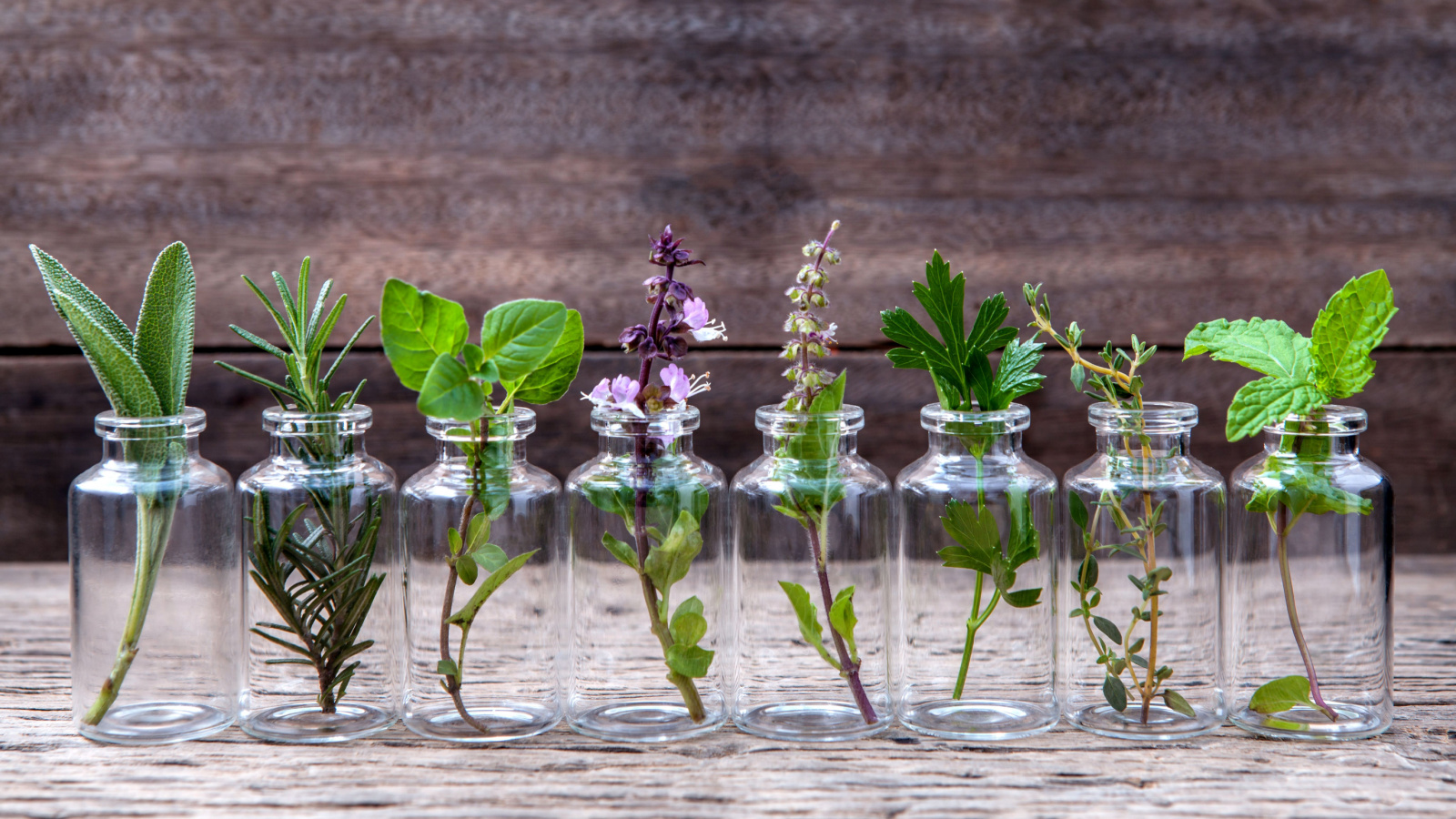
Soothing scents can profoundly affect our emotional and physical well-being. Essential oils, particularly lavender, clary sage, and peppermint, possess unique properties that alleviate common menopause symptoms such as mood swings, hot flashes, and night sweats.
Lavender Oil for Mood Swings
Menopausal mood swings often leave individuals feeling out of sorts. Lavender oil’s therapeutic scent will calm the mind, offering solace in turbulent times. This fragrant oil works wonders by alleviating stress and combating the emotional imbalance commonly experienced during Menopause.
Embrace the calming aroma of lavender oil as a natural way to stabilize mood fluctuations during Menopause. Inhaling this soothing scent promotes tranquillity, reducing agitation and anxiety associated with this life phase, thus fostering a serene mindset and elevated mood.
Clary Sage Oil for Hot Flashes
Harnessing the natural power of clary sage oil can relieve those grappling with hot flashes during Menopause. This aromatic oil imparts a cooling effect, easing the abrupt and intense heat sensations of menopausal hot flashes.
For a natural remedy to menopausal heat waves, clary sage oil serves as a cooling solution drawn from Mother Nature’s pharmacy. Its calming influence helps to quell intense heat sensations, assisting mature women in navigating the sometimes challenging menopausal phase with greater comfort.
Peppermint Oil for Night Sweats
Experience the soothing sensation of peppermint oil as a natural treatment for menopausal night sweats. Its refreshing aroma cools the body, providing tranquil relief, thus fortifying peaceful sleep.
The stimulating effect of peppermint oil wields a powerful weapon against bothersome night sweats. It’s fantastic, minty freshness aids in reducing body heat and soothing mid-sleep disruptions.
Peppermint oil, known for its anti-inflammatory properties, can help stabilize body temperature. Its application during a nighttime routine is a calming ritual to alleviate menopausal discomfort.
For those suffering from menopausal night sweats, peppermint oil may be the natural solution they’ve been searching for. When applied topically, this natural remedy promotes coolness and relieves discomfort for uninterrupted slumber.
The restful nights made distant by Menopause can be within reach again. Applying peppermint oil allows you to regain control over night sweats and achieve the sweet dreams you deserve.
Vitamins and Supplements for Menopause

Driving your wellness journey during Menopause hinges significantly on vitamins and supplements. These micronutrients work synergistically to alleviate many menopause symptoms while promoting overall health.
Using essential vitamins and supplements is an intelligent move, paving the way for a smoother menopause adventure. From bolstering bone health to improving mood, these can turn the tables on this often challenging life transition.
Vitamin D: Crucial for Bone Health
Due to the natural decline in bone density associated with Menopause, Vitamin D becomes vital to maintaining healthy bones. This vitamin regulates calcium absorption, encouraging optimal bone upkeep. Experts link Vitamin D deficiency to a greater vulnerability to fractures and osteoporosis.
As Menopause sets in, the protective guard of estrogen on bone health tends to diminish. Vitamin D, however, emerges as a mighty shield against such bone decline. Its role in maintaining bone health becomes critically essential, highlighting the significance of consistent Vitamin D intake.
Leveraging the benefits of Vitamin D for bone health during Menopause can significantly alleviate the bouts of bone issues. Regular intake of this critical nutrient can be a practical, natural remedy to maintain bone health throughout the transition.
Calcium for Stronger Bones
Calcium, aptly named the building block of bones, is vital in your menopausal journey. The impending hormonal changes can lead to a decline in bone mineral density. Calcium, therefore, is critical in maintaining strong, healthy bones and hindering osteoporosis onset.
Menopause marks a significant transition, bringing forth a necessity for dietary and lifestyle adjustments. To navigate this period confidently, one should prioritize an adequate calcium intake, which is essential in preserving the structural integrity of the skeleton.
Fortifying your diet with calcium-rich foods such as dairy products, green leafy vegetables, fortified cereals, and appropriate supplements can provide the needed boost. A considered effort, incorporating calcium ensures bone rigidity, thwarting the damaging impacts of Menopause.
However, it’s prudent to recall that although calcium is vital to achieving menopause health, excessive intake may have unintended consequences. Consult your healthcare provider for appropriate dosage guidance, optimizing not just Menopause management but overall well-being.
Omega-3 Fatty Acids for Mood Support
Omega-3 fatty acids can significantly mitigate the mood swings associated with Menopause. These essential nutrients help to stabilize mood and alleviate depression, a common symptom during this phase.
Omega-3 fatty acids, widely found in fatty fish, flaxseeds, and walnuts, have been shown to reduce menopausal mood swings. Regularly introducing these foods into your diet can provide substantial relief.
By interacting with brain chemicals linked to mood, omega-3 fatty acids help to moderate emotional changes. It’s a natural approach to achieving a more balanced emotional state during Menopause.
The incorporation of omega-3 fatty acids into your diet creates a protective effect against the mood changes of Menopause. These fatty acids work by enhancing brain functions related to mood regulation.
Don’t let menopausal mood swings control your life. Harness the natural power of omega-3 fatty acids for mood support and sail through Menopause on a more even keel.
Safe Natural Menopause Treatments Are Worth the Hype
These 7+ natural menopause treatments offer a gentle, effective way to ease symptoms, either on their own or alongside traditional hormone therapy. From adding phytoestrogen-rich foods to your meals to practicing stress-relieving techniques like yoga or meditation, nature provides plenty of tools to support your well-being during this transition.
Remember, every woman’s menopause journey is different. Finding what works for you may take some trial and error, but with patience and a proactive approach, you can navigate this phase with confidence and step into the next chapter of your life feeling empowered and in control.