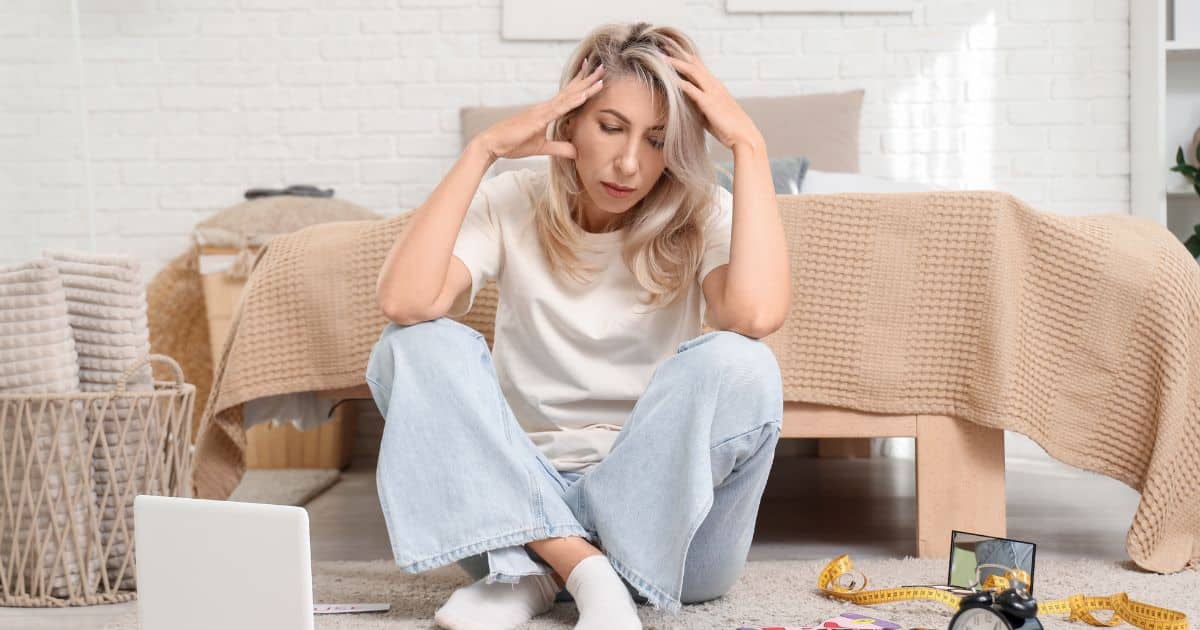
We spend years hearing about hot flashes and night sweats, but once menopause is technically “over,” it’s like the conversation stops. No one hands you a manual for post-menopause, yet your body, mind, and emotions keep shifting.
This stage in life can be full of surprises: some frustrating, some freeing, and some that make you laugh at how unprepared we really are.
**Quick note before we dive in: Remember, I’m not a doctor. I’m just sharing what I’ve learned and my experience with postmenopause. If you’re dealing with any of these changes in a big way, it’s always smart to check in with your healthcare provider for guidance tailored to you.**
Here’s the real talk on what happens after menopause, the things no one warns you about.
what happens after menopause? These 7 things!
Here, I’ve listed 7 things that happen after menopause, but there are probably a few more that I’m missing. These are just some of the things that I noticed. And here’s something funny – I didn’t even know this was post menopause until someone in a Reddit thread told me to get my hormones checked!
No clue.
No one told me. My friends didn’t warn me, sisters, mom, family, nudda. I started feeling weird, not myself, I was changing mentally, and it was scaring me.
A complete stranger on the internet told me I was going through postmenopause. What a wonderful time to be alive.
Anyway, let’s get to it. Let me know if you are going through these things, too or maybe different things.
crazy changes in your body
After menopause, your body goes through some weird changes. Fat tends to settle around the midsection, muscles may feel weaker, skin gets drier, and sleep can become unpredictable. Joints may ache in ways you never noticed before.
It can feel frustrating and depressing at first, but it’s simply your body adjusting to a shift in your hormones. As soon as you start understanding these changes and accepting them, you can adjust your diet, exercise and even supplements to help you feel yourself again.
Painful sex and dry petunias
For some women, intimacy gets trickier. Vaginal dryness, lower libido, and even pain can pop up. It can take some experimenting (and sometimes vajayjay cream) to figure out what works now.
I remember the time I had to go to the gyno because my petunia hurt and I had no idea why. This is when the doc told me I needed magic cream because I had low estrogen levels. Colour me clueless on all this. Oooph.
But it all made sense as to why it hurt to have sex. This postmenopause stuff kinda sucks.
am I losing it?
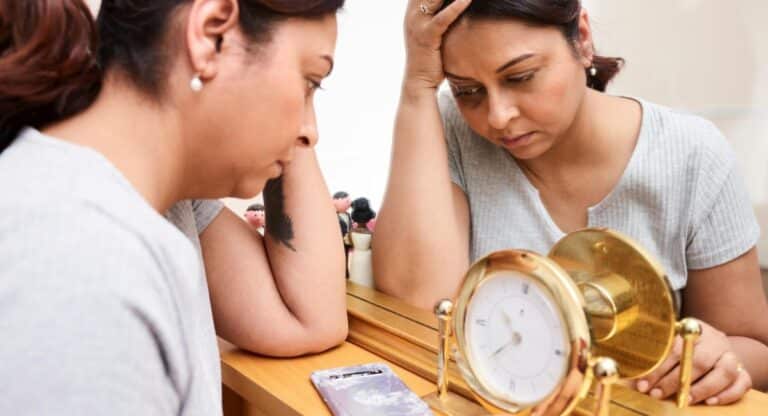
Cognitive shifts can continue after menopause. Brain fog, forgetfulness, or feeling a bit “off” are all part of the adjustment. Hormones affect memory and focus more than most people realize.
Staying mentally active, eating nutrient-rich foods, exercising regularly, and keeping your mind challenged can make a real difference. Over time, many women notice improvements in clarity and mental stamina as they adapt to this new stage.
Your Bones Need Love too
Estrogen plays a crucial role in protecting bone density. After menopause, the risk of osteoporosis rises, making it important to prioritize bone health.
Weight-bearing exercise, strength training, and adequate calcium and vitamin D intake are essential. The goal isn’t just appearance; it’s about maintaining mobility, balance, and strength well into the later years.
Your Skin and Hair Change, Too
Collagen production slows down, skin becomes thinner, and hair thinning is a thing. But these changes can be managed with care. I recently noticed that my hair is thinning a lot around my face, and it’s weird that I never really noticed before!
Adjust your skincare routine to include hydration, gentle exfoliation, and sun protection. Try to protect your hair as best you can. I’m still looking for a simple, all-natural solution to my thinning hair.
Mood Swings Don’t Always Disappear
I found this out! I turned into Satan almost overnight!
Anxiety, irritability, or low moods may occur, and that’s completely normal. Staying connected with supportive friends or groups, practicing self-care routines like journaling or mindfulness, and seeking professional guidance when needed can help stabilize mood and foster a sense of well-being.
For me, hormone therapy worked! Check with your doctor first.
Freedom!!
One of the best parts of post-menopause life is freedom. No more periods, no more unexpected cycles, and no more worrying about birth control. Many women experience a renewed sense of energy, confidence, and autonomy.
It’s a liberating time in your life, so you can prioritize yourself, pursue hobbies, travel, or simply enjoy the life you’ve built without the usual interruptions. This stage is about embracing the freedom to live on your own terms and enjoying the independence that comes with it.
Final Thoughts
Postmenopause can certainly be frustrating with all the challenges, but there’s also freedom and opportunity. It’s about learning how to handle this new stage in your life, taking care of your health, and embracing the changes with curiosity instead of dread.
And remember, I’m not a doctor. If something feels off or you’re struggling with symptoms, your healthcare provider is the best place to turn for answers and support.
No one really tells us what happens after menopause, but now you know. And you don’t have to go through it alone.